
Scuba Diving in Saranda: A Practical Local Guide
A practical guide to scuba diving in Saranda, including the local season, dive sites, experience levels, daily logistics and what to ask before booking.
Julian
PADI Assistant Instructor
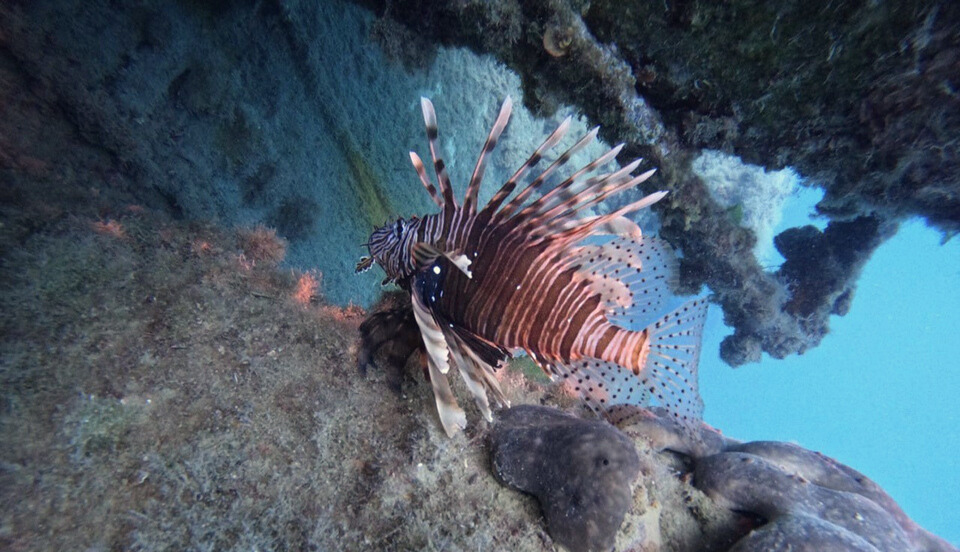
Saranda is our base for recreational scuba diving on the southern Albanian coast. The town faces the Ionian Sea, with Corfu across the channel and Ksamil a short distance to the south. For divers, that geography matters: our local programme includes shallow training water, rocky reefs and historic wreck sites.
Saranda is in Vlorë County, but it is not Vlorë city. Every course and dive we operate begins from our center in Saranda; visitors staying in Vlorë city or Himarë must plan their journey to the confirmed meeting point.
We wrote this guide from the way our team plans dives in Saranda and from the questions our guests ask before they arrive. Conditions always change, so we confirm the final site, depth and schedule after checking the sea and the experience of the group.
When is the diving season in Saranda?
Our main diving season runs from May to October, in line with PADI destination guidance for Albania. June through September usually brings the most consistent combination of warm water, settled weather and good visibility along the Ionian coast. Summer sea temperatures are commonly around 22 to 26 degrees Celsius, and visibility can exceed 20 metres during the main season.
Those figures help you plan, but we never promise a particular condition for a particular morning. Wind, surface traffic and recent weather can affect a site. Our team checks the actual conditions before choosing the most suitable dive.
Which dive sites can you visit from Saranda?
Our regular programme is built around sites near Saranda and Ksamil. The exact programme depends on weather, diver qualifications, group experience and operational conditions.
SS Probitas shipwreck
SS Probitas is a large Second World War wreck in the Saranda area. The site offers sections at recreational depths and is commonly explored from the outside. A wreck is not automatically suitable for every diver: the guide must consider certification, recent experience, buoyancy and the conditions on that dive.
Hunda e Kuqe reef
Hunda e Kuqe is a reef dive close to Saranda. Its rocky formations and moderate depth make it useful for relaxed guided diving when conditions allow. Divers should still expect a proper briefing, a buddy check and an agreed depth and gas plan.
The Ksamil wreck area
The underwater park near Ksamil contains several former vessels at different depths. Not every wreck is suitable for every certification level, and a planned dive may change if visibility, current or boat traffic makes another site the safer choice.
Staying in Ksamil or Himarë?
Guests staying in Ksamil can still join our programme by checking in with the Saranda Diving team at the confirmed time. If you are staying in Himarë, remember that our activities start in Saranda: contact us before choosing a date and plan enough travel time to reach our Saranda dive center. We do not advertise a Himarë departure or imply that our team is based there.
Is Saranda suitable for beginners?
Yes, when the activity and site match the person. A first-time participant should book a supervised introductory experience, not a certified-diver trip. PADI Discover Scuba Diving is an introduction completed under direct professional supervision. It is not the same as earning an Open Water Diver certification.
Certified divers who have been out of the water for a long period should be honest about their recent experience. A refresher or an easier first dive can be a better start than choosing a deeper site simply because the certification card allows it.
What should you tell our team?
- Your certification agency and level.
- Your number of logged dives and the date of your last dive.
- Any relevant medical condition or medication.
- Whether you are travelling by air soon after diving.
Accurate information helps us choose an appropriate group and site. Changing a date of birth, certification level or medical answer to pass our online form does not make a dive safer and prevents our team from planning correctly.
What does a normal diving day look like?
Arrive at the agreed time with your certification card and any requested medical documentation. The team confirms equipment, checks the manifest and gives a site-specific briefing. Before entering the water, divers assemble or check their equipment, complete a buddy check and agree on maximum depth, route, signals, gas limits and lost-buddy procedure.
After the dive, allow time for equipment return and logging the dive. Do not plan a flight immediately after diving. Divers Alert Network recommends a minimum pre-flight surface interval of 12 hours after a single no-decompression dive and at least 18 hours after multiple dives in a day or multiple days of diving. More time adds conservatism.
What you can expect from our dive center
Before confirming a trip, our team explains who will lead the dive, how we match the group, what equipment is included, how we select the site and what happens if conditions change. We do not guarantee perfect visibility, a particular animal sighting or access to a wreck regardless of the day.
For us, good local diving is not about collecting the maximum number of sites. It is about choosing the right dive for the group, giving a clear briefing and leaving enough time for every diver to enjoy it safely.
Sources checked
PADI destination guide: Diving in Albania